This is about things that I encounter from my daily surfing on the net. Its about sharing things I know that might let others become aware of what is happening around.
This one I find very interesting. This is really great. Imagine, through how a girl orders coffee one can understand a little bit of her while enjoying one's company on a date. Wow! Just read it!
Why is having coffee together best way to get to know someone? Simple: her preference tells you a bit about her, things you find out beyond the conversation. Therefore, what she has on the coffee date should tell you if you’re going to hit it off…
1. Black, no sugar - direct to the point kind of person, possibly aggressive, confident
2. Black, one or two sugars - not as aggressive as above, and is more approachable
3. Cream and sugar - she's simple in her tastes, possibly a homebody
4. Cream and sugar, sweet - the kind who likes to be pampered or likes to pamper others
5. With some ordinary flavoring (cinnamon, nutmeg, etc) - with some sense of adventure
6. With some exotic flavoring (mint, etc) - with a lot of adventure, maybe a bit eccentric, even
7. Frappucino-types - medyo kikay
8. Cappuccino – medyo class, la sofisticada
9. Espresso (single) – she’s something of the intellectual type
10. Espresso (double) - she’s something of the intellectual type and wants to last the night (hopefully, with you)
11. With chocolate (mocha, hazelnut, etc) - has a strong streak of the romantic
12. With brandy/ rum/ sherry - this publicly prim and proper lady sizzles in private
13. Strong brewed – the woman-on-top type (loves to be in-charge and take the lead)
14. Proper tea - a purist, bit of a perfectionist (baka naman di siya pinay?)
15. Tea in bags - like above, pero definitely, pinay to-its
16. Herbal infusions (chamomile, etc) - a bit of New Age girl in her (side note: they are the best kissers)
17. Non-coffee bean coffees (cardamom) and non-tea leaf teas (green, peppermint, strawberry, etc.) – same as above, but she loves to travel and try new things
18. Chocolate - what sort of nut drinks chocolate on a coffee date in a hot place like Pilipinas? Unless, of course, it's just before bed... mmmmmmm
19. Any hot coffee ordered lukewarm – this girl is only pretending to enjoy coffee, but likes you enough to go on a coffee date with you.
20. Milk - unless she has ulcers, a girl who has milk on a coffee date is just plain freaky. (We don't know why, they just are.)
New campaign of Australia to attract skilled migrants
Friday, 11 February 2011
In order to attract skilled migrants to Canberra, a new campaign named "Live in Canberra" will be launched by The Australian Capital Territory (ACT) Government between 9 February and 28 February 2011.
Accordingly, an ACT delegation will travel to Amsterdam, London, Cape Town, Durban, Dublin and Johannesburg. Together with the ACT Government's Skilled and Business Migration Program, the delegation will work to boost opportunities in Canberra and the city's lifestyle
Jon Stanhope, Chief Minister for the ACT stated that the campaign will "incorporate one immigration expo and 15 targeted skilled and business migration seminars"
"One-on-one meetings are scheduled in each city with skilled workers considering a move to Canberra and with locally based migration agents wishing to promote Canberra's opportunities to their clients," he said.
"The team will speak to people with skills that are in demand in Canberra's local industries including health, building and construction, finance, administration, management, engineering and Information and Communications Technology (ICT).
The ACT's economy currently ranks first in Australia and unemployment is close to record lows. According to Stanhope, Canberra must "continue to attract a steady flow of skilled workers to ensure our economy maintains its momentum."
If you are interested in Australian Visas, contact Migration Expert for information and advice on which visa is best suited to you. You can also try our visa eligibility assessment to see if you are eligible to apply for a visa to Australia.
For more info click on the link below:
http://www.migrationexpert.com.au/visa/australian_immigration_news/2011/feb/0/414/new_campaign_of_australia_to_attract_skilled_migrants
Canadian visa applications for Yukon to be self-managed
Tuesday, 8 March 2011
A new agreement that gives the province of Yukon the role of self-managing the Temporary Foreign Worker Program within the Territory has been signed by The Governments of Canada and Yukon.
You can live & work in Canada! go >
According to the agreement, Yukon will be permitted to manage applications for the Canadian Temporary Foreign Worker Visa program within the province.
Yukon will be more responsible for helping foreign workers come to Canada via Temporary Foreign Worker Program. Yukon's Government can recommend overseas workers to immigrate to Canada without requiring a Service Canada assessment to determine if there are Canadians or permanent residents available to fill the vacant positions.
In an announcement on Feb 24, Patrick Rouble, Yukon Minister of Education and Minister of Energy, Mines and Resources expressed that the new agreement will offer more opportunities for Yukon to attract foreign labour.
“This agreement provides one more tool for Yukon’s labour market stakeholders to address Yukon’s labour market opportunities, both now and into the future,” said Minister Rouble.
“Our first priority is to work with underrepresented groups in Yukon to meet labour force demands and turn to temporary foreign workers when the need arises” he added.
If you are interested in Immigration to Canada, contact Migration Expert for information and advice on which visa is best suited to you. You can also try our visa eligibility assessment to see if you are eligible to apply for a visa to Canada.
Thursday, January 13, 2011
"Importance of having Breakfast"
Breakfast can help prevent strokes, heart attack and sudden death. Advice on not to skip breakfast! Healthy living. For those who always skip breakfast, you should stop that habit now! You've heard many times that "Breakfast is the most important meal of the day. Now, recent research confirms that one of the worst practices you can develop may be avoiding breakfast. Why?
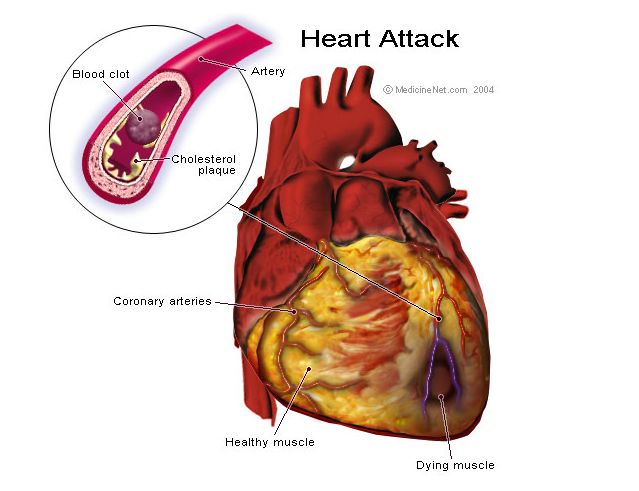
Because the frequency of heart attack, sudden death, and stroke peaks between 6: 00a.m. and noon, with the highest incidence being between 8: 00a.m. and 10:00a.m.What mechanism within the body could account for this significant jump in sudden death in the early morning hours? We may have an Answer. Platelet, tiny elements in the blood that keep us from bleeding to Death if we get a cut, can clump together inside our arteries due to Cholesterol or plaque buildup in the artery lining. It is in the morning hours that platelets become the most activated and tend to form these internal blood clots at the greatest frequency. However, eating even a very light breakfast prevents the morning platelet activation that is associated with heart attacks and strokes. Studies performed at Memorial University in St.Johns, Newfoundland found that eating a light, very low-fat breakfast was critical in modifying the morning platelet activation. Subjects in the study consumed either low-fat or fat-free yogurt, orange juice, fruit, and a source of protein coming from yogurt or fat-free milk. So if you skip breakfast, it's important that you change this practice immediately in light of this research. Develop a simple plan to eat cereal, such as oatmeal or Bran Flakes, along with six ounces of grape juice or orange juice, and perhaps a piece of fruit. This simple plan will keep your platelets from sticking together, keep blood clots from forming, and perhaps head off a potential Heart Attack or stroke. So never ever skip breakfast
We always read articles about how to understand women.. This I recently read about how to understand guys.. hope you like it.. please have your thought about this. thanks
1. Guys don't actually look after good-looking girls. They prefer neat and presentable girls.
2. Guys love flirts.
3. A guy can like you for a minute, and then forget you afterwards.
4. When a guy says he doesn't understand you, it simply means
you're not thinking the way he is.
5. "Are you doing something?" or "Have you eaten already?" are the first usual questions a guy asks on the phone just to get out
from stammering.
6. Guys may be flirting around all day but before they go to sleep, they always think about the girl they truly care about.
7. When a guy really likes you, he'll disregard all your bad characteristics.
8. Guys go crazy over a girl's smile.
9. Guys will do anything just to get the girl's attention.
10. Guys hate it when you talk about your ex-boyfriend.
11. When guys want to meet your parents. Let them.
12. Guys want to tell you many things but they can't. And they
sure have one habit to gain courage and spirit to tell you many things and it is drinking!
13. Guys cry!!!!!!!!
14. Don't provoke the guy to heat up. Believe me. He will.
15. Guys can never dream and hope too much.
16. Guys usually try hard to get the girl who has dumped them, and this makes it harder for them to accept their defeat.
17. When you touch a guy's heart, there's no turning back.
18. Giving a guy a hanging message like "You know what?!..uh...never mind!" would make him jump to a conclusion that is far from what you are thinking.
19. Guys go crazy when girls touch their hands.
20. Guys are good flatterers when courting but they usually stammer when they talk to a girl they really like.
21. When a guy makes a prolonged "umm" or makes any excuses when you're asking him to do you a favor, he's actually saying that he doesn't like you and he can't lay down the card for you.
22. When a girl says "no", a guy hears it as "try again tomorrow."
23. You have to tell a guy what you really want before he gets the message clearly.
24. Guys hate gays!
25. Guys love their moms.
26. A guy would sacrifice his money for lunch just to get you a couple of roses.
27. A guy often thinks about the girl who likes him. But this doesn't mean that the guy likes her.
28. You can never understand him unless you listen to him.
29. If a guy tells you he loves you once in a lifetime. He does.
30. Beware. Guys can make gossips scatter through half of the face of the earth faster than girls can.
31. Like Eve, girls are guys EUR™ weaknesses.
32. Guys are very open about themselves.
33. It's good to test a guy first before you believe him. But don't let him wait that long.
34. No guy is bad when he is courting.
35. Guys hate it when their clothes get dirty. Even a small dot.
36. Guys really admire girls that they like even if they're not that much pretty.
37. Your best friend, whom your boyfriend seeks help from about his problems with you may end up being admired by your boyfriend.
38. If a guy tells you about his problems, he just needs someone to listen to him. You don't need to give advice.
39. A usual act that proves that the guy likes you is when he teases you.
40. A guy finds ways to keep you off from linking with someone else.
41. Guys love girls with brains more than girls in miniskirts.
42. Guys try to find the stuffed toy a girl wants but would unluckily get the wrong one.
43. Guys virtually brag about anything.
44. Guys cannot keep secrets that girls tell them.
45. Guys think too much.
46. Guys' fantasies are unlimited.
47. Girls' height doesn't really matter to a guy but her weight does!
48. Guys tend to get serious with their relationship and become too possessive. So watch out girls!!
49. When a girl makes the boy suffer during courtship, it would be hard for him to let go of that girl.
50. It's not easy for a guy to let go of his girlfriend after they broke up especially when they've been together for 3 years or more.
51. You have to tell a guy what you really want before getting involved with that guy.
52. A guy has to experience rejection, because if he's too-good-never-been-busted, never been in love and hurt, he won't be
matured and grow up.
53. When an unlikable circumstance comes, guys blame themselves a lot more than girls do. They could even hurt themselves physically.
54. Guys have strong passion to change but have weak will power.
55. Guys are tigers in their peer groups but become tamed pussycats with their girlfriends.
56. When a guy pretends to be calm, check if he's sweating. You'll probably see that he is nervous.
57. When a guy says he is going crazy about the girl. He really is.
58. When a guy asks you to leave him alone, he's just actually saying, "Please come and listen to me."
59. Guys don't really have final decisions.
60. When a guy loves you, bring out the best in him.
61. If a guy starts to talk seriously, listen to him.
62. If a guy has been kept shut or silent, say something.
63. Guys believe that there's no such thing as love at first sight, but court the girls anyway and then realize at the end that he is wrong.
64. Guys like femininity not feebleness.
65. Guys don't like girls who punch harder than they do.
66. A guy may instantly know if the girl likes him but can never be sure unless the girl tells him.
67. A guy would waste his time over video games and basketball, the way a girl would do over her romance novels and make-ups.
68. Guys love girls who can cook or bake.
69. Guys like girls who are like their moms. No kidding!
70. A guy has more problems than you can see with your naked eyes.
71. A guy's friend knows everything about him. Use this to your advantage.
72. Don't be a snob. Guys may easily give up on the first sign of rejection.
73. Don't be biased. Try loving a guy without prejudice and you'll be surprised.
74. Girls who bathe in their eau de perfumes do more repelling than attracting guys.
75. Guys are more talkative than girls are especially when the topic is about girls.
76. Guys don't comprehend the statement "Get lost" too well.
77. Guys really think that girls are strange and have unpredictable decisions but still love them more.
78. When a guy gives a crooked or pretentious grin at your jokes, he finds them offending and he just tried to be polite.
79. Guys don't care about how shiny their shoes are unlike girls.
80. Guys tend to generalize about girls but once they get to know them, they'll realize they're wrong.
81. Any guy can handle his problems all by his own. He's just too stubborn to deal with it.
82. Guys find it so objectionable when a girl swears.
83. Guys' weakest point is at the knee.
84. When a problem arises, a guy usually keeps himself cool but is already thinking of a way out.
85. When a guy is conscious of his looks, it shows he is not good at fixing things.
86. When a guy looks at you, either he's amazed of you or he's criticizing you.
87. When you catch him cheating on you and he asks for a second chance, give it to him. But when you catch him again and he asks for another chance, ignore him.
88. If a guy lets you go, he really loves you.
89. If you have a boyfriend, and your boy best friend always glances at you and it obviously shows that he is jealous whenever you're with your boyfriend, all I can say is your boy best friend loves you more than your boyfriend does.
90. Guys learn from experience not from the romance books that girls read and take as their basis of experience.
91. You can tell if a guy is really hurt or in pain when he cries in front of you!
92. If a guy suddenly asks you for a date, ask him first why.
93. When a guy says he can't sleep if he doesn't hear your voice even just for one night, hang up. He also tells that to another girl. He only flatters you and sometimes makes fun of you.
94. You can truly say that a guy has good intentions if you see him praying sometimes.
95. Guys seek for advice not from a guy but from a girl.
96. Girls are allowed to touch boys' things. Not their hair!
97. If a guy says you're beautiful, that guy likes you.
98. Guys hate girls who overreact.
99. Guys love you more than you love them if they are serious in your relationships
Thursday, 25 November 2010
According to Canadian Government officials, immigration levels will be higher than ever as the population ages and the birth rates stay low. Citizenship, Immigration and Multiculturalism Minister Jason Kenney, expects between 240,000 and 265,000 new permanent residents in 2011.
"Canada's post recession economy demands a high level of legal immigration to keep our workforce strong. All of the country's labor force growth will come from immigration within the next five years," said Kenney.
Expectations in 2011 show the Federal Skilled Worker Programme to be the most popular means of entry. An estimated 25% of newcomers will be destined for provinces outside of Ontario, British Columbia and Quebec; this is an increase from 1997 at 11%. The Federal Skilled Worker Programme accepts workers in such fields as technicians, skilled tradespersons, managers and professionals.
Canada has shown to be a popular immigration destination for Irish immigrants. As there has been a significant influx of Irish expats looking for jobs abroad, finding significant success in Canada. Those looking for jobs in Canada are quite varied from mechanical engineers, IT system analysts, construction managers, accountants and marketing executives. Irish companies are also looking to the Canadian market as more than 220 Irish companies sell goods and services into Canada, with an additional 45 Irish companies operating offices and facilities in Canada.
Recently, the largest Irish trade mission in history was led by Mary Coughlan, Irish Minister for Enterprise, Trade and Employment, to Canada, visiting Edmonton, Toronto and Ottawa. The missions focus was to demonstrate and promote the success of world-class Irish companies that have had a break through into the Canadian market.
If you are interested in Immigration to Canada, contact Migration Expert for information and advice on which visa is best suited to you. You can also try our visa eligibility assessment to see if you are eligible to apply for a visa to Canada.
Exercise and sports that require continuous
activity, especially running and cold-weather activities, can induce
asthmatic symptoms. Exercise-induced asthma affects about 17 million
Americans, many of which are children.
Symptoms include
coughing, wheezing, chest tightness, breathing difficulty and shortness
of breath. Children with exercise-induced asthma often start to
experience symptoms five to 20 minutes after they begin to exercise.
Recognizing
exercise-induced asthma in your child can be difficult because symptoms
often take a subtle form. Your child may complain that he cannot run as
quickly as friends or may express a dislike for sports. Avoiding sports
or physical activity limits quality of life for some children and can
lead to problems with fellow students and low self-esteem.
Sports
that may act as triggers for exercise-induced asthma include soccer,
basketball, field hockey, long-distance running, cross-country skiing
and hockey.
"There is no cure for exercise-induced asthma," said
Dr. Michael Kaliner, medical director of the Institute for Asthma and
Allergy in Chevy Chase, Md. "But by preventing inflammation, you can
successfully reduce the chances of having an asthmatic attack."
It is important for children to receive proper diagnosis and treatment.
"For
children 5 years and older, one option is Intal," Kaliner said. "It
works by preventing certain cells from releasing substances that may
cause inflammation in the air passages. It is important to note that
Intal should be used prior to engaging in exercise, as it cannot treat
acute asthma attacks."
It is also a good idea to provide your child's gym teacher or coach with written instructions, including:
* The nature and severity of the exercise-induced asthma
* Which medicines are used to prevent it and how to use them
* Techniques to avoid exercise-induced asthma, including a sufficient warm-up period
* Warning signs when your child is experiencing an asthma attack
With appropriate management, most children are able to exercise and perform to their full ability.
The
most common side effects from Intal therapy in controlled clinical
studies were throat irritation or dryness, unpleasant taste, cough,
wheeze and nausea. Intal Inhaler should not be used in patients who have
shown hypersensitivity to cromolyn sodium or other ingredients in this
product. Intal has no role in the treatment of an acute asthma attack.
In this article we're doing to discuss one of
the most dangerous allergies, especially to children who really enjoy
their peanut butter and jelly and the arguments for giving or not giving
peanut butter to young children in potentially high risk allergic groups.
Let's
face it, if you're a kid, or even a kid at heart, you love peanut
butter and jelly. Who doesn't? Unfortunately, peanut butter doesn't
love everybody as many are allergic to it and this is one allergy
that can be downright deadly. Recently a girl died just because she
had kissed somebody who had eaten peanut butter. That is a very scary
thought.
One of the biggest controversies these days is when to
actually allow your child to start having peanut butter. Years ago the
only warning was not to give your child big chunks of peanut butter but
to spread it thin. This could be started at any age. But today, with
the alarming number of kids turning out to be allergic to peanut butter,
it is recommended that a child not be given peanut butter until 2 or 3
years of age. Even though allergies to peanut butter are not the most
common, they are the most deadly and because of this it is believed
extra care is needed. Also, these allergies are the least likely to be
outgrown.
There are several determining factors in avoiding
giving your child peanut butter. The irst factor is if they have shown
allergies or intolerances to other foods or even their baby formula.
Then there is whether or not they have other allergic type disorders such as eczema, allergic rhinitis,
or asthma or if they have members in the family that have these
conditions as allergies can be inherited. Also, if they have other
family members with food allergies, especially if another family member is allergic to peanut butter.
It is actually recommended that for high risk children they not
only avoid peanut butter until they are older but also cow's milk, citrus
fruits and juices and wheat until they are at least 1 year old. They
should avoid eggs until age 2 and finally peanuts and shellfish until
they are over 2 years of age.
This is where the controversy
heats up. Some experts say that children who are not considered to be
in a high risk group do not have to do these things. Others say that
because food allergies, especially peanuts, are so deadly that it just
doesn't make sense not to err on the side of caution. They say that
even children not in a high risk group can still have allergies to
peanuts and therefore the only way to avoid a reaction is to never allow
them to eat peanut butter. Some say that's extreme, others say that
one reaction can be the last one.
Ultimately, it comes down to
the parent. You have to weigh the risks of giving your child peanut
butter against the benefits. Yes, peanuts are high in protein
and peanut butter and jelly is a very convenient and easy lunch to
make, especially for bringing to school. But if your child is severely allergic it only takes one bite of one sandwich.
Giving birth
will no doubt be one of the most magical moments of your life and to
ensure that your child is strong and happy, it is important you do all
you can to have a healthy pregnancy. To help you and your baby on your
way, this article has compiled a number of tips that are guaranteed to
make those nine pregnancy months the best they can be!
The
first thing you must do when you find you are pregnant is to visit an
obstetrician/gynecologist (OBGYN). They will give you an ultrasound to
see how far along you are and whether your pregnancy appears to be
normal. This stage is crucial and it is important not to leave this too
late.
After this, you must begin to change your lifestyle.
Remember, you are no longer eating and exercising for yourself but for
two! Firstly, if you are a smoker or a drinker, you must quit. Cigarette
smoke can lead to low birth weight in babies as well as miscarriages
and tubal pregnancies so try to avoid second hand smoke as it is not
conducive to a healthy pregnancy. The same can be said for alcohol and
other toxic chemicals and substances such as paint fumes. These items
are both damaging to the mother and to the pregnancy.
Another
part of changing your lifestyle is your diet during pregnancy. Make sure
to drink plenty of water – about 6 to 8 glasses a day. It is not
healthy to be overweight or underweight during a pregnancy but do
remember that you shouldn't diet during pregnancy. Pregnancy is not a
time to be worrying about your weight! Don't skip meals as you and your
baby need as much nutrition and calories as possible, although not the
fattening kind so make sure you get a balance. Junk food is great to satisfy those crazy pregnancy cravings but try not to go overboard!<
If you are worried about weight gain during pregnancy,
a great alternative to dieting is light exercise. You may not have
loved it before your pregnancy, but learn to love it now as it will
definitely pay off in the long run by keeping your baby healthy and your
body fit. Light exercises will not harm your pregnancy so try swimming,
yoga and walking.
An additional healthy pregnancy tip
that those with busy schedules tend to forget is the importance of
sleep. Make sure to get plenty of rest so that you and your baby can
recuperate and to ensure that your immune system is as strong as
possible. It is advised that you rest on your side to reduce swelling
and generate the best circulation to your baby.
To recap: avoid
damaging substances such as nicotine and alcohol, don't diet during
pregnancy, drink plenty of water, practice as much exercise as safely
possible, and get plenty of sleep! Following these pregnancy tips will make certain that you have a healthy pregnancy and have a happy and fit child.
News Author: Laurie Barclay, MD
CME Author: Hien T. Nghiem, MD
September 2, 2010 — The British Association for Psychopharmacology
(BAP) has issued a consensus statement on evidence-based treatment of
insomnia, parasomnias, and circadian rhythm disorders. The new
recommendations, intended to guide psychiatrists and clinicians caring
for those with sleep problems, are published online September 2 in the Journal of Psychopharmacology.
"Sleep disorders are common in the general population and even more
so in clinical practice, yet are relatively poorly understood by doctors
and other health care practitioners," write Sue J. Wilson, from the
Psychopharmacology Unit, University of Bristol, Bristol, United Kingdom,
and colleagues. "These ...BAP guidelines are designed to address this
problem by providing an accessible yet up-to-date and evidence-based
outline of the major issues, especially those relating to reliable
diagnosis and appropriate treatment. We limited ourselves to discussion
of sleep problems that are not regarded as being secondary to
respiratory problems (e.g. sleep apnoea – see NICE Guidance TA139), as
these fall outside the remit of the BAP."
These guidelines also do not cover neuropsychiatric disorders, such
as narcolepsy and restless legs, for which recent sets of guidelines
already exist. The new recommendations were developed after a consensus
meeting in London in May 2009 of BAP members, as well as clinicians,
experts, and advocates in sleep disorders, based on literature reviews
and a description of standard of evidence. Recommendations for Diagnosis and Treatment
Specific evidence-based recommendations for diagnosis and treatment
of insomnia and other sleep disorders, and their accompanying level of
evidence rating, are as follows:
The diagnosis of insomnia is primarily based
on complaints provided in the clinical interview by the patient,
family, and/or caregiver, ideally corroborated by a patient diary (level
of evidence, A).
Referral to a specialist sleep center may be
indicated for other tests in some cases, such as actigraphy for
differential diagnosis of circadian rhythm disorder (level of evidence,
A), polysomnography for suspected parasomnia or other primary sleep
disorder (level of evidence, A), or in the case of treatment failure
(level of evidence, D).
Insomnia should be treated because it
impairs quality of life and many areas of functioning and is associated
with an increased risk for depression, anxiety, and possibly
cardiovascular disorders (level of evidence, A). Treatment goals are to
reduce distress and to improve daytime function. Choice of treatment
modality is based on the particular pattern of problem, such as
sleep-onset insomnia or sleep maintenance, as well as on the evidence
supporting use of specific treatments.
For chronic insomnia, cognitive behavioral
therapy (CBT)-based treatment packages are effective and should be
offered to patients as a first-line treatment (level of evidence, A).
CBT, which may include sleep restriction and stimulus control, should be
made available in more settings.
When prescribing hypnotic drug treatment,
clinicians need to consider efficacy, safety, and duration of action
(level of evidence, A). Other issues to consider may include previous
efficacy or adverse effects of the drug and history of substance abuse
or dependence (level of evidence, D).
Recommendations for long-term hypnotic drug
treatment are to use it as clinically indicated (level of evidence, A).
To discontinue long-term hypnotic drug therapy, intermittent use should
first be attempted if feasible. Depending on ongoing life circumstances
and patient consent, discontinuation should be attempted every 3 to 6
months or at regular intervals (level of evidence, D). During taper of
long-term hypnotic drug treatment, CBT improves outcome (level of
evidence, A).
When using antidepressants, clinicians
should apply their knowledge of pharmacology (level of evidence, A).
When there is a comorbid mood disorder, antidepressants should be used
at therapeutic doses (level of evidence, A). However, clinicians should
beware that overdose of tricyclic antidepressants can be toxic even when
low-unit doses are prescribed (level of evidence, A).
Because of frequent adverse effects of
antipsychotic drugs, as well as a few reports of abuse, there is no
indication for use as first-line treatment of insomnia or other sleep
disorders (level of evidence, D).
Antihistamines have a limited role in
psychiatric and primary care practice for the management of insomnia
(level of evidence, D).
Recommendations for Certain Populations
Specific evidence-based recommendations for management of insomnia
and other sleep disorders in special populations and conditions are as
follows:
After menopause, the incidence of
sleep-disordered breathing increases, and the clinical presentation is
different in women vs men and often includes insomnia. Informed,
individualized treatment of symptoms is needed for use of hormone
therapy, considering risks and benefits clarified in recent studies.
Behavioral strategies are recommended for
children with disturbed sleep (level of evidence, A). In children with
attention-deficit/hyperactive disorder not treated with stimulant drugs,
melatonin administration may help advance sleep onset to normal values
(level of evidence, A).
For children and adults with learning
disabilities, clinical evaluation should describe the sleep disturbance
and triggering and exacerbating factors (level of evidence, A).
Recommended first-line therapy includes environmental, behavioral, and
educational strategies (level of evidence, A). Melatonin is effective in
improving sleep (level of evidence, A). The treatment plan should be
based on a capacity/best-interests framework.
For management of circadian rhythm
disorders, clinical evaluation is essential in delayed sleep-phase
syndrome and free-running disorder (level of evidence, A/B). In delayed
sleep-phase syndrome, free-running disorder, and jet lag, melatonin may
be useful (level of evidence, A), but other strategies such as
behavioral regimens and scheduled light exposure (in sighted
individuals) can also be used (level of evidence, B/C).
This research received no specific grant from
any funding agency in the public, commercial, or not-for-profit
sectors. The costs of the meeting were partly defrayed by unrestricted
educational grants from Lundbeck and GlaxoSmithKline. All attendees
completed conflict-of-interest statements held at the BAP office. J Psychopharmacol. Published online September 2, 2010. Additional Resource
The National Institutes of Health, National Heart, Lung, and Blood Institute's Web site has more information online about sleep disorders.
Clinical Context
Sleep disorders are common in the general population and even
more so in clinical practice, yet they are relatively poorly understood
by physicians and other healthcare practitioners. One of the most
frequent complaints is insomnia. In the general population, one third of
adults in Western countries experience difficulty with sleep initiation
or maintenance at least once a week. Prevalence is between 1.5 and 2
times higher in women vs men. Approximately half of all diagnosed
insomnia is related to a psychiatric disorder. The symptom prevalence of
insomnia changes with age.
The BAP guidelines are designed to address this problem by providing
an accessible up-to-date and evidence-based outline of the major issues,
especially those relating to reliable diagnosis and appropriate
treatment. A consensus meeting was held in London in May 2009. The aim
of this report was to discuss the diagnosis and treatment of insomnia as
well as circadian rhythm disorders and the more common parasomnias.
Study Highlights
Insomnia is a subjective disorder and is usually long term.
The diagnosis of insomnia is primarily based on patient-derived
and family or caregiver complaints, as determined by the clinical
interview, ideally with a patient diary (level of evidence, A).
In some circumstances, referral to a specialist sleep center may
be necessary for other investigations, such as diagnosis of circadian
rhythm disorder (actigraphy; level of evidence, A) or parasomnia
(polysomnography; level of evidence, A), or in the case of treatment
failure (level of evidence, D).
Circadian rhythm disorders are sleep disorders in which there is
a mismatch between circadian rhythms and required sleep-wake cycle.
Parasomnias are unusual episodes or behaviors occurring during
sleep, which disturb the patient or others such as night terrors,
sleepwalking, nightmares, and rapid eye movement behavior disorder.
It is important to treat insomnia because the condition causes
decreased quality of life; is associated with impaired functioning in
many areas; and leads to increased risk for depression, anxiety, and
possibly cardiovascular disorders (level of evidence, A).
The goal of treatment is to lessen anguish and improve daytime function.
Choice of treatment modality is patient guided and is based on
the particular pattern of problem, such as sleep-onset insomnia or sleep
maintenance, as well as on the evidence supporting use of specific
treatments.
CBT-based treatment packages for chronic insomnia including
sleep restriction and stimulus control are effective and therefore
should be offered to patients as a first-line treatment (level of
evidence, A). Increased availability of this therapy is required.
Z-drugs (zaleplon, zolpidem, zopiclone, and eszopiclone) and short-acting benzodiazepines are efficacious for insomnia.
Factors that clinicians need to take into account when
prescribing medications for insomnia are efficacy, safety, and duration
of action of the drug (level of evidence, A). Additional factors are
previous efficacy of the drug or adverse effects, and a history of
substance abuse or dependence (level of evidence, D).
Hypnotic drug treatment encompasses the following guidelines:
Hypnotic drugs should be used when clinically indicated.
They should be limited to 2 to 4 weeks; however, they are often used for longer periods.
Safety (adverse events and carryover effects) are fewer and are less serious with decreasing half-lives (level of evidence, Ib).
Studies suggest that dependence (tolerance/withdrawal) is
not inevitable with hypnotic therapy for up to 1 year with eszopiclone,
zolpidem, and ramelteon. Intermittent dosing may reduce the risk for
tolerance and dependence.
For discontinuation of hypnotics, intermittent use should be administered at first and then at regular intervals.
CBT during taper improves outcome.
Prolonged-release melatonin improves sleep-onset latency and
quality of life in patients older than 55 years (level of evidence, Ib).
Antidepressants for insomnia should be considered when there is a coexistent mood disorder.
There is limited evidence for the efficacy of doxepin,
trimipramine, trazodone, and paroxetine in insomnia. Clinicians should
beware that overdose of tricyclic antidepressants can be toxic even when
low-unit doses are prescribed (level of evidence, A).
There is no indication for use of antipsychotics as first-line treatment.
Antihistamines have a limited role in psychiatric and primary care practice for the management of insomnia.
For the treatment of circadian rhythm disorders, melatonin is
effective in jet lag disorder (level of evidence, Ia), delayed
sleep-phase syndrome (level of evidence, Ib), and free-running disorder
(level of evidence, IIa). Light therapy is effective in delayed
sleep-phase syndrome (level of evidence, III).
For parasomnias, drug treatment should be based on frequency and
severity of events. Psychological treatments are effective for
nightmares.
Clinical Implications
Insomnia is a common sleep disorder that affects up to one third
of adults in Western countries, has a higher prevalence in women vs
men, and is often associated with a psychiatric disorder.
Z-drugs and short-acting benzodiazepines are efficacious for
insomnia, and CBT-based treatment packages should be offered to patients
as a first-line treatment of chronic insomnia.
September 2, 2010 — The British Association for Psychopharmacology
(BAP) has issued a consensus statement on evidence-based treatment of
insomnia, parasomnias, and circadian rhythm disorders. The new
recommendations, intended to guide psychiatrists and clinicians caring
for those with sleep problems, are published online September 2 in the Journal of Psychopharmacology.
"Sleep disorders are common in the general population and even more
so in clinical practice, yet are relatively poorly understood by doctors
and other health care practitioners," write Sue J. Wilson, from the
Psychopharmacology Unit, University of Bristol, Bristol, United Kingdom,
and colleagues. "These ...BAP guidelines are designed to address this
problem by providing an accessible yet up-to-date and evidence-based
outline of the major issues, especially those relating to reliable
diagnosis and appropriate treatment. We limited ourselves to discussion
of sleep problems that are not regarded as being secondary to
respiratory problems (e.g. sleep apnoea – see NICE Guidance TA139), as
these fall outside the remit of the BAP."
These guidelines also do not cover neuropsychiatric disorders, such
as narcolepsy and restless legs, for which recent sets of guidelines
already exist. The new recommendations were developed after a consensus
meeting in London in May 2009 of BAP members, as well as clinicians,
experts, and advocates in sleep disorders, based on literature reviews
and a description of standard of evidence. Recommendations for Diagnosis and Treatment
Specific evidence-based recommendations for diagnosis and treatment
of insomnia and other sleep disorders, and their accompanying level of
evidence rating, are as follows:
The diagnosis of insomnia is primarily based
on complaints provided in the clinical interview by the patient,
family, and/or caregiver, ideally corroborated by a patient diary (level
of evidence, A).
Referral to a specialist sleep center may be
indicated for other tests in some cases, such as actigraphy for
differential diagnosis of circadian rhythm disorder (level of evidence,
A), polysomnography for suspected parasomnia or other primary sleep
disorder (level of evidence, A), or in the case of treatment failure
(level of evidence, D).
Insomnia should be treated because it
impairs quality of life and many areas of functioning and is associated
with an increased risk for depression, anxiety, and possibly
cardiovascular disorders (level of evidence, A). Treatment goals are to
reduce distress and to improve daytime function. Choice of treatment
modality is based on the particular pattern of problem, such as
sleep-onset insomnia or sleep maintenance, as well as on the evidence
supporting use of specific treatments.
For chronic insomnia, cognitive behavioral
therapy (CBT)-based treatment packages are effective and should be
offered to patients as a first-line treatment (level of evidence, A).
CBT, which may include sleep restriction and stimulus control, should be
made available in more settings.
When prescribing hypnotic drug treatment,
clinicians need to consider efficacy, safety, and duration of action
(level of evidence, A). Other issues to consider may include previous
efficacy or adverse effects of the drug and history of substance abuse
or dependence (level of evidence, D).
Recommendations for long-term hypnotic drug
treatment are to use it as clinically indicated (level of evidence, A).
To discontinue long-term hypnotic drug therapy, intermittent use should
first be attempted if feasible. Depending on ongoing life circumstances
and patient consent, discontinuation should be attempted every 3 to 6
months or at regular intervals (level of evidence, D). During taper of
long-term hypnotic drug treatment, CBT improves outcome (level of
evidence, A).
When using antidepressants, clinicians
should apply their knowledge of pharmacology (level of evidence, A).
When there is a comorbid mood disorder, antidepressants should be used
at therapeutic doses (level of evidence, A). However, clinicians should
beware that overdose of tricyclic antidepressants can be toxic even when
low-unit doses are prescribed (level of evidence, A).
Because of frequent adverse effects of
antipsychotic drugs, as well as a few reports of abuse, there is no
indication for use as first-line treatment of insomnia or other sleep
disorders (level of evidence, D).
Antihistamines have a limited role in
psychiatric and primary care practice for the management of insomnia
(level of evidence, D).
Recommendations for Certain Populations
Specific evidence-based recommendations for management of insomnia
and other sleep disorders in special populations and conditions are as
follows:
After menopause, the incidence of
sleep-disordered breathing increases, and the clinical presentation is
different in women vs men and often includes insomnia. Informed,
individualized treatment of symptoms is needed for use of hormone
therapy, considering risks and benefits clarified in recent studies.
Behavioral strategies are recommended for
children with disturbed sleep (level of evidence, A). In children with
attention-deficit/hyperactive disorder not treated with stimulant drugs,
melatonin administration may help advance sleep onset to normal values
(level of evidence, A).
For children and adults with learning
disabilities, clinical evaluation should describe the sleep disturbance
and triggering and exacerbating factors (level of evidence, A).
Recommended first-line therapy includes environmental, behavioral, and
educational strategies (level of evidence, A). Melatonin is effective in
improving sleep (level of evidence, A). The treatment plan should be
based on a capacity/best-interests framework.
For management of circadian rhythm
disorders, clinical evaluation is essential in delayed sleep-phase
syndrome and free-running disorder (level of evidence, A/B). In delayed
sleep-phase syndrome, free-running disorder, and jet lag, melatonin may
be useful (level of evidence, A), but other strategies such as
behavioral regimens and scheduled light exposure (in sighted
individuals) can also be used (level of evidence, B/C).
This research received no specific grant from
any funding agency in the public, commercial, or not-for-profit
sectors. The costs of the meeting were partly defrayed by unrestricted
educational grants from Lundbeck and GlaxoSmithKline. All attendees
completed conflict-of-interest statements held at the BAP office. J Psychopharmacol. Published online September 2, 2010. Additional Resource
The National Institutes of Health, National Heart, Lung, and Blood Institute's Web site has more information online about sleep disorders.
Clinical Context
Sleep disorders are common in the general population and even
more so in clinical practice, yet they are relatively poorly understood
by physicians and other healthcare practitioners. One of the most
frequent complaints is insomnia. In the general population, one third of
adults in Western countries experience difficulty with sleep initiation
or maintenance at least once a week. Prevalence is between 1.5 and 2
times higher in women vs men. Approximately half of all diagnosed
insomnia is related to a psychiatric disorder. The symptom prevalence of
insomnia changes with age.
The BAP guidelines are designed to address this problem by providing
an accessible up-to-date and evidence-based outline of the major issues,
especially those relating to reliable diagnosis and appropriate
treatment. A consensus meeting was held in London in May 2009. The aim
of this report was to discuss the diagnosis and treatment of insomnia as
well as circadian rhythm disorders and the more common parasomnias.
Study Highlights
Insomnia is a subjective disorder and is usually long term.
The diagnosis of insomnia is primarily based on patient-derived
and family or caregiver complaints, as determined by the clinical
interview, ideally with a patient diary (level of evidence, A).
In some circumstances, referral to a specialist sleep center may
be necessary for other investigations, such as diagnosis of circadian
rhythm disorder (actigraphy; level of evidence, A) or parasomnia
(polysomnography; level of evidence, A), or in the case of treatment
failure (level of evidence, D).
Circadian rhythm disorders are sleep disorders in which there is
a mismatch between circadian rhythms and required sleep-wake cycle.
Parasomnias are unusual episodes or behaviors occurring during
sleep, which disturb the patient or others such as night terrors,
sleepwalking, nightmares, and rapid eye movement behavior disorder.
It is important to treat insomnia because the condition causes
decreased quality of life; is associated with impaired functioning in
many areas; and leads to increased risk for depression, anxiety, and
possibly cardiovascular disorders (level of evidence, A).
The goal of treatment is to lessen anguish and improve daytime function.
Choice of treatment modality is patient guided and is based on
the particular pattern of problem, such as sleep-onset insomnia or sleep
maintenance, as well as on the evidence supporting use of specific
treatments.
CBT-based treatment packages for chronic insomnia including
sleep restriction and stimulus control are effective and therefore
should be offered to patients as a first-line treatment (level of
evidence, A). Increased availability of this therapy is required.
Z-drugs (zaleplon, zolpidem, zopiclone, and eszopiclone) and short-acting benzodiazepines are efficacious for insomnia.
Factors that clinicians need to take into account when
prescribing medications for insomnia are efficacy, safety, and duration
of action of the drug (level of evidence, A). Additional factors are
previous efficacy of the drug or adverse effects, and a history of
substance abuse or dependence (level of evidence, D).
Hypnotic drug treatment encompasses the following guidelines:
Hypnotic drugs should be used when clinically indicated.
They should be limited to 2 to 4 weeks; however, they are often used for longer periods.
Safety (adverse events and carryover effects) are fewer and are less serious with decreasing half-lives (level of evidence, Ib).
Studies suggest that dependence (tolerance/withdrawal) is
not inevitable with hypnotic therapy for up to 1 year with eszopiclone,
zolpidem, and ramelteon. Intermittent dosing may reduce the risk for
tolerance and dependence.
For discontinuation of hypnotics, intermittent use should be administered at first and then at regular intervals.
CBT during taper improves outcome.
Prolonged-release melatonin improves sleep-onset latency and
quality of life in patients older than 55 years (level of evidence, Ib).
Antidepressants for insomnia should be considered when there is a coexistent mood disorder.
There is limited evidence for the efficacy of doxepin,
trimipramine, trazodone, and paroxetine in insomnia. Clinicians should
beware that overdose of tricyclic antidepressants can be toxic even when
low-unit doses are prescribed (level of evidence, A).
There is no indication for use of antipsychotics as first-line treatment.
Antihistamines have a limited role in psychiatric and primary care practice for the management of insomnia.
For the treatment of circadian rhythm disorders, melatonin is
effective in jet lag disorder (level of evidence, Ia), delayed
sleep-phase syndrome (level of evidence, Ib), and free-running disorder
(level of evidence, IIa). Light therapy is effective in delayed
sleep-phase syndrome (level of evidence, III).
For parasomnias, drug treatment should be based on frequency and
severity of events. Psychological treatments are effective for
nightmares.
Clinical Implications
Insomnia is a common sleep disorder that affects up to one third
of adults in Western countries, has a higher prevalence in women vs
men, and is often associated with a psychiatric disorder.
Z-drugs and short-acting benzodiazepines are efficacious for
insomnia, and CBT-based treatment packages should be offered to patients
as a first-line treatment of chronic insomnia.
Halo-haloEXPRESS: EVENTS UPDATE
-
*Guys here's an update about the different "important" events in our
country and abroad.*
*NOVEMBER 30 - BONIFACIO DAY*
*DECEMBER 1- WORLD AIDS DAY*
...
Hello world!
-
Welcome to WordPress. This is your first post. Edit or delete it, then
start writing!
The post Hello world! appeared first on imonlysleeping.
New Exam Schedule for December 2010 NLE
-
The Professional Regulations Commission and Board of Nursing announces the
new Nurse Licensure Exam (NLE) schedule for December Nursing Board Exam.
The pro...
Psychosexual development
-
Follow my blog with bloglovin
*PSYCHOSEXUAL DEVELOPMENT (FREUD)*
• *Oral Stage (birth to 1 year): *Characterized by infant-seeking pleasure
via oral activi...
A problem of Snoring and can't sleep?
-
If you’re like most Americans you probably don’t get eight hours sleep each
night.
But, if you also constantly feel exhausted, experience headaches for no ...
Vmobile Technopreneur
-
Vmobile Technopreneur
*Hello everyone!!!! *
*ARE YOU LOOKING FOR A BUSINESS THAT WILL NOT RULE OVER YOUR WORLD? ARE YOU
LOOKING FOR A B...
How Do You Repel Bugs?
-
What is the best way to repel bugs? Household Items You Can Use to Repel
BugsCitronella. Using almost anything that contains citronella can work to
repel...
Migration to TheNursingSite.com
-
Migration to TheNursingSite.com will be complete as of JULY 1,2019 and this
site will be deleted. Please update your bookmarks to THENURSINGSITE.COM.
Thank...
Tamagetamonda (たまげたもんだ)
-
Tamagetamonda is a Japanese word that would best describe the
whole experience I had with the homestay program. Homestay, I believe, is
one...
HOW TO CHECK YOUR PLDT MYDSL TRUE SPEED
-
Is PLDT MYDSL short changing you on your internet speed? here is how to
check.
Step 1: Open your browser
Step 2: Navigate to your modem's page http://192....