Showing posts with label nursing. Show all posts

Saturday, October 8, 2011

The 4 Cs of Cardiac Arrest Care

The 4 Cs of Cardiac Arrest Care according to the 2010 A.H.A Guidelines

Field JM, Hazinski MF, Sayre MR, et al
Circulation. 2010;122:S640-S656
The year 2010 marks the 50th anniversary of the introduction of cardiopulmonary resuscitation (CPR). During these past 50 years, tremendous research has been conducted to evaluate techniques, medications, and devices designed to advance the care of victims of cardiac arrest. The American Heart Association (AHA) developed the first CPR guidelines in 1966 and since that time has published frequent updates of the guidelines to help educate the public and medical establishment about optimal care for patients with cardiac arrest and other emergency cardiovascular conditions.
This past November, the newest set of guidelines pertaining to CPR and emergency cardiovascular care were published by the AHA in a supplement issue of Circulation. The guidelines consist of 16 parts. They address not only cardiac arrest, but also post-arrest care, dysrhythmias, acute coronary syndromes, stroke, cardiac arrest in special situations (eg, pregnancy, pulmonary embolism, etc), pediatric considerations, and ethics. Part I is a summary statement of the major changes in cardiac arrest and emergency cardiovascular care since the previous set of guidelines, which were published in 2005. The highlights of this "Executive Summary" are summarized below. For purposes of brevity, this discussion will focus on adult patients with acute cardiac conditions (cardiac arrest and dysrhythmias), excluding acute coronary syndromes, stroke, and pediatric considerations. The reader should note that the bulk of guideline recommendations, as in past years, are concentrated on victims of primary cardiac arrest and are not necessarily relevant to victims of pulmonary arrest (eg, drowning, drug overdose, etc).

Study Summary

Change from "A-B-C" to "C-A-B." A major change in basic life support is a step away from the traditional approach of airway-breathing-chest compressions (taught with the mnemonic "A-B-C") to first establishing good chest compressions ("C-A-B"). There are several reasons for this change.
  • Most survivors of adult cardiac arrest have an initial rhythm of ventricular fibrillation (VF) or pulseless ventricular tachycardia (VT), and these patients are best treated initially with chest compressions and early defibrillation rather than airway management.
  • Airway management, whether mouth-to-mouth breathing, bagging, or endotracheal intubation, often results in a delay of initiation of good chest compressions. Airway management is no longer recommended until after the first cycle of chest compressions -- 30 compressions in 18 seconds. The 30 compressions are now recommended to precede the 2 ventilations, which previous guidelines had recommended at the start of resuscitation.
  • Only a minority of cardiac arrest victims receive bystander CPR. It is believed that a significant obstacle to bystanders performing CPR is their fear of doing mouth-to-mouth breathing. By changing the initial focus of resuscitation to chest compressions rather than airway maneuvers, it is thought that more patients will receive important bystander intervention, even if it is limited to chest compressions.
Basic life support. The traditional recommendation of "look, listen, and feel" has been removed from the basic life support algorithm because the steps tended to be time-consuming and were not consistently useful. Other recommendations:
  • Hands-only CPR (compressions only -- no ventilations) is recommended for the untrained lay rescuers to obviate their fears of mouth-to-mouth ventilations and to prevent delays/interruptions in compressions.
  • Pulse checks by lay rescuers should not be attempted because of the frequency of false-positive findings. Instead, it is recommended that lay rescuers should just assume that an adult who suddenly collapses, is unresponsive and not breathing normally (eg, gasping) has had a cardiac arrest, activate the emergency response system, and begin compressions.
  • Pulse checks by healthcare providers have been de-emphasized in importance. These pulse checks are often inaccurate and produce prolonged interruptions in compressions. If pulse checks are performed, healthcare providers should take no longer than 10 seconds to determine if pulses are present. If no pulse is found within 10 seconds, compressions should resume immediately.
  • The use of end-tidal CO2 (ETCO2) monitoring is a valuable adjunct for healthcare professionals. When patients have no spontaneous circulation, the ETCO2 is generally ≤ 10 mm Hg. However, when spontaneous circulation returns, ETCO2 levels are expected to abruptly increase to at least 35-40 mm Hg. By monitoring these levels, interruptions in compressions for pulse checks become unnecessary.
CPR devices. Several devices have been studied in recent years, including the impedance threshold device and load-distributing band CPR. No improvements in survival to hospital discharge or neurologic outcomes have been proven with any of these devices when compared with standard, conventional CPR.
Electrical therapies
  • Patients with VF or pulseless VT should receive chest compressions until a defibrillator is ready. Defibrillation should then be performed immediately.
  • Chest compressions for 1.5-3 minutes before defibrillation in patients with cardiac arrest longer than 4-5 minutes have been recommended in the past, but recent data have not demonstrated improvements in outcome.
  • Transcutaneous pacing of patients who are in asystole has not been found to be effective and is no longer recommended.
Advanced cardiac life support. Good basic life support, including high-quality chest compressions and rapid defibrillation of shockable rhythms, is again emphasized as the foundation of successful advanced cardiac life support. The recommendations for airway management have undergone 2 major changes: (1) the use of quantitative waveform capnography for confirmation and monitoring of endotracheal tube placement is now a class I recommendation in adults; and (2) the routine use of cricoid pressure during airway management is no longer recommended.
As they did in 2005, the AHA acknowledges once again that as of 2010, data are "still insufficient ...to demonstrate that any drugs improve long-term outcome after cardiac arrest."
Several important changes in recommendations for dysrhythmia management have occurred:
  • For symptomatic or unstable bradydysrhythmias, intravenous infusion of chronotropic agents (eg, dopamine, epinephrine) is now recommended as an equally effective alternative therapy to transcutaneous pacing when atropine fails;
  • As noted above, transcutaneous pacing for asystole is no longer recommended; and
  • Atropine is no longer recommended for routine use in patients with pulseless electrical activity or asystole.
Post-cardiac arrest care. Post-cardiac arrest care has received a great deal of focus in the current guidelines and is probably the most important new area of emphasis. There are several key highlights of post-arrest care:
  • Induced hypothermia, although best studied in survivors of VF/pulseless VT arrest, is generally recommended for adult survivors of cardiac arrest who remain unconscious, regardless of presenting rhythm. Hypothermia should be initiated as soon as possible after return of spontaneous circulation with a target temperature of 32°C-34°C.
  • Urgent cardiac catheterization and percutaneous coronary intervention are recommended for cardiac arrest survivors who demonstrate ECG evidence of ST-segment elevation acute myocardial infarction regardless of neurologic status. There is also increasing support for patients without ST-segment elevation on ECG who are suspected of having acute coronary syndrome to receive urgent cardiac catheterization.
  • Hemodynamic optimization to maintain vital organ perfusion, avoidance of hyperventilation, and maintenance of euglycemia are also critical elements in post-arrest care.

Viewpoint

The AHA 2010 guidelines represent significant progress in the care of victims of cardiac arrest. Most important is the stronger emphasis on post-cardiac arrest care. Induced hypothermia is underscored, and perhaps the most important advance is the recommendation for urgent percutaneous coronary intervention in survivors of cardiac arrest. The wealth of data thus far indicate that post-arrest percutaneous coronary intervention may be the most significant advance toward improving survival and neurologic function since defibrillation was first introduced decades ago.
In reviewing these guidelines, I must admit, however, that I was disappointed that AHA hesitated to adopt the concepts of "cardiocerebral resuscitation" (CCR). CCR also promotes the "C-A-B" approach to resuscitation, but it fosters even further delays in airway intervention -- withholding any form of positive pressure ventilations, in favor of persistent chest compressions, for as long as 5-10 minutes after the cardiac arrest. The current guidelines recommend withholding positive pressure ventilation for a mere 18 seconds. First described in 2002,[1] CCR has been studied more recently as well and demonstrated marked improvements in rates of resuscitation and neurologic survival.[2-4] I think that CCR should be incorporated into basic life support protocols for victims of primary cardiac arrest as quickly as possible to further improve outcomes.
Optimal management of cardiac arrest in the current decade can be summarized simply by "the 4 Cs": Cardiovert/defibrillate, CCR, Cooling, and Catheterization.


Sunday, March 13, 2011

Australian Immigration News - March 2011

New campaign of Australia to attract skilled migrants

Friday, 11 February 2011

In order to attract skilled migrants to Canberra, a new campaign named "Live in Canberra" will be launched by The Australian Capital Territory (ACT) Government between 9 February and 28 February 2011.

Accordingly, an ACT delegation will travel to Amsterdam, London, Cape Town, Durban, Dublin and Johannesburg. Together with the ACT Government's Skilled and Business Migration Program, the delegation will work to boost opportunities in Canberra and the city's lifestyle

Jon Stanhope, Chief Minister for the ACT stated that the campaign will "incorporate one immigration expo and 15 targeted skilled and business migration seminars"

"One-on-one meetings are scheduled in each city with skilled workers considering a move to Canberra and with locally based migration agents wishing to promote Canberra's opportunities to their clients," he said.

"The team will speak to people with skills that are in demand in Canberra's local industries including health, building and construction, finance, administration, management, engineering and Information and Communications Technology (ICT).

The ACT's economy currently ranks first in Australia and unemployment is close to record lows. According to Stanhope, Canberra must "continue to attract a steady flow of skilled workers to ensure our economy maintains its momentum."

If you are interested in Australian Visas, contact Migration Expert for information and advice on which visa is best suited to you. You can also try our visa eligibility assessment to see if you are eligible to apply for a visa to Australia.
For more info click on the link below:
http://www.migrationexpert.com.au/visa/australian_immigration_news/2011/feb/0/414/new_campaign_of_australia_to_attract_skilled_migrants

CANADIAN IMMIGRATION NEWS

Canadian visa applications for Yukon to be self-managed

Tuesday, 8 March 2011

A new agreement that gives the province of Yukon the role of self-managing the Temporary Foreign Worker Program within the Territory has been signed by The Governments of Canada and Yukon.

You can live & work in Canada! go >

According to the agreement, Yukon will be permitted to manage applications for the Canadian Temporary Foreign Worker Visa program within the province.

Yukon will be more responsible for helping foreign workers come to Canada via Temporary Foreign Worker Program. Yukon's Government can recommend overseas workers to immigrate to Canada without requiring a Service Canada assessment to determine if there are Canadians or permanent residents available to fill the vacant positions.

In an announcement on Feb 24, Patrick Rouble, Yukon Minister of Education and Minister of Energy, Mines and Resources expressed that the new agreement will offer more opportunities for Yukon to attract foreign labour.

“This agreement provides one more tool for Yukon’s labour market stakeholders to address Yukon’s labour market opportunities, both now and into the future,” said Minister Rouble.

“Our first priority is to work with underrepresented groups in Yukon to meet labour force demands and turn to temporary foreign workers when the need arises” he added.

If you are interested in Immigration to Canada, contact Migration Expert for information and advice on which visa is best suited to you. You can also try our visa eligibility assessment to see if you are eligible to apply for a visa to Canada.

Wednesday, February 2, 2011

Sexual Dysfunction


Describe what happens during the four phases of sexual response described by stimuli Masters and Johnson
1.    Excitement: internal or external
activation of the central nervous system (CNS) deep breathing, increase in heart rate,blood pressure, and sexualtension; generalized vasocongestion skin flush, breast engorgement, nipple
        erection, engorgement of labia and clitoris, vaginal transudation, and uterine tenting
2.    Plateau: marked degree of vasocongestion throughout the body _ further engorgement of the labia,  lower third of vagina, breast, and areolae. Secretion from the Bartholin glands, retraction of the clitoris, vagina lengthens with dilation of the upper two-thirds, muscle tension begins to build up
3.    Orgasm: release of sexual tension, generalized myotonic contractions, perivaginal muscles and   
Anal sphincter contract at precise intervals, vaginal and uterine contractions
4.    Resolution: a gradual diminution of sexual tension and response

What is the biopsychosocial model of female sexual response?
The biopsychosocial nature of female sexual response is influenced by the dynamic interaction of four components: biologic, psychologic,sociocultural influences, and interpersonal relationships. All of these components must be addressed in order to achieve sexual satisfaction

What are the possible etiologies of sexual dysfunction?
1. Change in vascularity (atherosclerosis, pudendal artery insufficiency affecting vaginal
vasocongestion)
2. Neurogenic causes (spinal cord dysfunction or injuries)
3. Depression or anxiety disorders
4. Medications (selective serotonin reuptake inhibitor [SSRI], tricyclic antidepressants, H2 blocker, and some antihypertensive medication)
5. Psychosocial factors (prior history of sexual abuse, religious or cultural expectation, fear of rejection or intimacy, and distorted body image)
6. Hormonal changes (premature ovarian failure and menopause)

What is the prevalence of sexual dysfunction?
Studies show a range of 10–60%; the average is 43%

What are the types of female sexual dysfunction and what is the main symptom of each?
1. Sexual desire disorders:decreased sexual fantasy and/or desire, sexual aversion
2. Sexual arousal disorders: decreased genital vasocongestion and lubrication
3. Orgasmic disorders: anorgasmia
4. Sexual pain disorders: vaginismus, dyspareunia, noncoital sexual pain

How should the question of sexual dysfunction be addressed?
The evaluation should involve an interview of the couple and each partner separately. A complete assessment should include past medical, psychological, sexual history and physical examination including gynecologic examination. Each patient should be asked if she has any
questions or concerns about her sexual activity. The most important aspect of taking a sexual history is to make the patient feel comfortable

What hormones influence vaginal blood flow?
Estrogen and testosterone increase vaginal blood flow; Progesterone diminishes vaginal blood flow

What types of therapies are available for the treatment of sexual dysfunction?
1. Nonpharmacologic therapy: Patient education, lifestyle and behavioral changes—should be tried first
2. Pharmacologic therapy: Hormones: estrogen—increases genital blood flow and enhanced lubrication Testosterone—may improve libido, data nonconclusive Herbal therapy: (e.g., St. John’s wort, ginseng, yohimbine) generally ineffective L-Arginine: increases nitric oxide
(NO) leading to genital vasocongestion; needs further study Tibolone: used for osteoporosis; has
androgenic activity that may improve sexual function Sildenafil: a vasodilator; datainconclusive on its benefit for women, not FDA approved

Describe what changes occur with aging that affect sexual function
1. Decreased libido
2. Hormonal changes—estrogen levels gradually drop leading to vaginal atrophy and dryness.
Testosterone levels decrease leading to a decrease in arousal andintensity and frequency of orgasm
3. Medical issues—increase in medical problems and use of medications that may affect sexual
function
4. Past experiences—for example, recurrent dyspareunia can lead to introital spasm, which can further impede sexual function
5. Relationship issues
6. Self-esteem changes

What types of medication or substances can lead to sexual dysfunction?
Alcohol; antihypertensives; illicit drugs; SSRIs Psychotropic Antihistaminic
What are the adverse effects of SSRI use on sexual function?
SSRIs have been reported to reduce libido in women and men, to cause anorgasmia in women, and to
increase ejaculation latency in men

What types of changes occur under the following circumstances that may affect female sexual function?
            During pregnancy: breast tenderness, mild cervical bleeding during intercourse, and uterine
contractions with orgasm
Postpartum: fatigue, vaginal dryness, bleeding, vaginal discomfort

What is hypoactive sexual desire disorder (HSDD)?
Recurrent and persistent lack of sexual fantasies or desires or receptivity to sexual activity that
causes personal distress

How should HSDD be evaluated?
Take a careful history including medications, medical illness, depression, substance abuse, and
stress. Thyroid test and prolactin levels may be indicated if there is any suggestion of hyperprolactinemia. Androgen levels are not useful in the majority of cases

How should HSDD be treated?
Physiologic causes should be assessed and managed. Further treatment may require individual therapy or relationship therapy

What is sexual aversion disorder?
It is characterized by a phobia with avoidance of sexual contact and severe anxiety associated with contemplation of sexual activity

What are sexual arousal disorders and how are they treated?
When women experience desire and orgasm, but lack signs of sexual stimulation, such as lubrication and genital vasocongestion. Treatment includes masturbation, vaginal lubricants, vibrator to increase stimulation, foreplay, distraction technique to alleviate anxiety, and/or
estrogen replacement therapy for postmenopausal women

What is orgasmic dysfunction and how is it treated?
A persistent delay in or absence of orgasm after sufficient stimulation and arousal resulting in distress or interpersonal difficulty. Treatment involves orgasm goal directed sexual
Counselling

What types of orgasmic dysfunction exists?
Primary anorgasmia is found in 5–10% of women and is lifelong
Secondary anorgasmia is often related to relationship problems, medications, medical illness,
depression, substance abuse, and self-monitoring/anxiety during arousal

What types of sexual pain disorders exist and what are they?
Vaginismus (recurrent involuntary contraction of the vaginal musculature during vaginal penetration)
Dyspareunia (general pain that occurs before, during, or after intercourse)

What organic disorders must be ruled out when vaginismus is diagnosed?
Endometriosis; PID; partial imperforate hymen; vaginal stenosis

How is vaginismus treated?
Education; relaxation techniques; kegel exercises; progressive vaginal dilatation

What organic disorders must be ruled out when dyspareunia is diagnosed?
Bartholin cysts; vulvitis; vestibulitis;vaginitis; clitoral irritation/ hypersensitivity; rigid hymenal ring/introital scar tissue; vaginal atrophy and dryness; pelvic adhesion; fibroid; endometriosis
How is dyspareunia treated?
The treatment depends on the etiology


Saturday, January 29, 2011

STERILIZATION METHODS


What methods are available for surgical sterilization?
               
Male: vasectomy—ligation of vas  deferens preventing passage of sperm into seminal fluid
Female: 1. Ligation/removal of a section of the   fallopian tube—involves laparotomy or laparoscopy
        2. Mechanical blockage— using rings, coils, clips, or plugs
        3. Coagulation-induced blockage—usually through cauterization methods

What are the overall risks and benefits of female sterilization?   
Risks: 1. Anesthesia/surgical complications
        2. Ectopic pregnancy—failed procedures can result in an increased risk of ectopic pregnancies
       3. Regret of the procedure (especially in younger people)
       4. Does not stop the spread of HIV or other STIs Benefits:

1. Not coitally dependent
2. Decreased risk of ovarian  cancer
3. No evidence of menstrual irregularity or dysmenorrhea


What are the risks and benefits of each of the female sterilization procedures?

Ligation is one of the oldest methods of sterilization with the lowest failure rate (0.8%) but it is not easily reversed
Mechanical blockage with a clip is the most readily reversed method but it also has the highest failure rate (3.7%)
Coagulation-induced blockage with electrocautery is the fastest procedure with a low failure rate (2.5%), but there is increased  risk of electrical damage to  surrounding structures

What are some advantages and disadvantages of a vasectomy?               
Advantages: effectiveness is very high—typical first-year failure  rate 0.15%; simpler, surgically  safer, more cost-effective than  female sterilization; Males   share contraception  responsibility with females 
Disadvantages: does not protect against STIs

Is reversibility after a female sterilization procedure and vasectomy possible?
Reversibility after a female  sterilization procedure is generally very difficult and has been reported as only 60% effective.
As for vasectomy, men are generally counseled  that it is permanent. About 50–70% of  men who have a reversal become fertile.   The chance of becoming fertile decreases with increasing time after the procedure

If a woman in her early twenties with two  children requests tubal sterilization, what is the next appropriate recommendation?
Considering the woman’s age, you  must inform her of the risk for regret of the procedure and of the permanence  of tubal sterilization/ difficulty of reversal

Saturday, January 15, 2011

Facts on Menstrual cycle


When I was still a student, I didn’t like maternal and child nursing or topics that pertain to taking care of pregnant women and the child. I really find it hard to understand and memorize facts about it and so I really am having difficulty appreciating it. But then again, when you are in this profession or whatever profession you are in right now you really could not get away from topics that you hated most back when you were studying. And so, I would like to take this opportunity to share to you some information’s from Maternal and child nursing which I think is very helpful not only for me but also for all of the students out there who are finding their way to becoming a nurse. Lets start from some basic concepts.


Menstrual Cycle Physiology

What is the average duration of the                              The average duration of the
menstrual cycle, duration of menses, and                  menstrual cycle is 28 days. The
amount of blood loss during menses?                         average duration of menstrual flow
is 4 days. On an average, women lose
less than 60 mL of blood during each
menses

What are the two phases of the menstrual                 Follicular (or proliferative) phase and
cycle and how long does each last?                             the luteal (or secretory) phase,
separated by ovulation. (Follicular/
luteal describe the ovarian changes,
proliferative/secretory describe the
endometrial changes)
By convention, day 1 marks the onset
of menses. The follicular phase begins
on day 1 and lasts approximately
14 days (days 1–14) in a 28-day cycle,
until ovulation occurs. The luteal
phase then commences and lasts until
approximately day 28 (days 14–28)

What causes the variability in the length                     The duration of the follicular phase
of the menstrual cycle?                                                    (the luteal phase is constant)

Describe the hormone pathway involved                    The cycle begins in the arcuate
in the menstrual cycle (see Fig. 4-1) and                     nucleus of the hypothalamus where
name which structures produce                                   gonadotrophin-releasing hormone
each hormone                                                                     (GnRH) is released in a pulsatile
fashion. GnRH stilmulates the
anterior pituitary to release folliclestimulating
hormone (FSH) and
luteinizing hormone (LH). These
gonadotropins then cause the ovaries
to release the sex steroid hormones
estradiol and progesterone.
Estrogenand progesterone feedback
negatively on both the hypothalamus
andthe pituitary gland

What is happening in the ovary during the                     The ovary beings with
menstrual cycle?                                                               approximately one million primordial
follicles at birth (20 million at week
20 in utero). Each follicle contains an
oocyte arrested in prophase of
meiosis. The oocyte is surrounded by
pre-granulosa cells and these are
surrounded by pre-theca cells. In the
follicular phase, FSH stimulates the
pre-granulosa cells to become
granulosa cells. The granulosa cells
secrete estradiol. The pre-theca cells
in turn become theca cells and secrete
androgens, which are aromatized by
the granulosa cells into estradiol.
One follicle with the highest number
of granulosa cells, FSH receptors, and
estradiol production becomes the
dominant follicle and all other
follicles become atretic. This follicle is
released during ovulation and
becomes the corpus luteum. The
corpus luteum secretes progesterone
and a smaller amount of estrogen
during the follicular phase of the
cycle. If fertilization does not occur, it
degenerates into the corpus albicans

What is the function of the corpus luteum?                Secretion of progesterone and
estradiol. It is the only structure that
produces progesterone in significant
quantities which sustains the
pregnancy until the placenta is
developed

What is happening to hormone levels in                      At menstruation, concentrations of
the follicular phase?                                                          estradiol, progesterone, and LH are
at their lowest point. FSH and LH
levels begin to rise in response to
the low estrogen and progesterone.
Estradiol levels, secreted from the
dominant ovarian follicle, begin to
rise by day 4. Just before ovulation,
estradiol levels peak. This peak
causes a positive feedback on LH
secretion, leading to the LH surge
and a smaller FSH surge, which
results in ovulation 30–38 hours
later. Progesterone levels remain low
throughout the follicular phase
 
What is happening to hormone levels in                      The LH surge causes granulosa and
the luteal phase?                                                                theca cells to secrete progesterone
and smaller amounts of estrogen.
Progesterone peaks 3–4 days after
ovulation.
Estrogen levels decrease immediately
after ovulation but slowly rise with
the growth of the corpus luteum.
Progesterone and estrogen (at low to
moderate levels) both act via negative
feedback to suppress LH and FSH. If
fertilization and implantation do not
occur, progesterone and estradiol
levels diminish after 11 days. FSH
increases as the corpus luteum
regresses

What is happening to the endometrium in                   At menses, the endometrium sloughs
the proliferative phase?                                                   off until it becomes a thin line. During
the proliferative phase estradiol levels
rise, resulting in the proliferation of
the uterine endometrium. The
endometrium becomes thicker and
more glandular and the spiral arteries
elongate. On ultrasound, it appears as
a “triple stripe” pattern

What is happening to the endometrium in                   The progesterone released from the
the secretory phase?                                                        corpus luteum leads to slowing of
endometrial proliferation,
reorganization of the glands (resulting
in a more edematous stroma), and
further coiling of the spiral arteries.
This results in the loss of the “triple
stripe” pattern and its replacement
with a uniformly bright
endometrium. If pregnancy does not
occur, the endometrium degenerates

What are the primary clinical                                          Estradiol
manifestations of estradiol and                                     Endometrium: thickens stroma and
progesterone during the menstrual cycle? elongates glands (creates proliferative
endometrium); Endocervix: stimulates
secretion of thin, watery mucus.
Produces “ferning” pattern when
spread on a glass slide;
Vagina: promotes vaginal thickening
Progesterone
Endometrium: causes tissue to
become edematous and blood vessels
to thicken and twist (creates
secretory endometrium);
Endocervix: thickens endocervical
mucus, causing it to become stringy;
Breast: stimulates acinar glands,
causing breasts to round;
Other: raises basal body temperature
by 0.6–1°F. Causes some women to
have the emotional, physical, and
behavioral changes of premenstrual
syndrome (PMS)

What layer of the endometrium sloughs                      The functionalis layer (inner layer)
off during menses?                                                           sloughs off after glandular and
stromal degeneration

What hormone mediates menstrual                             Prostaglandins, especially PGF2á. It is
cramps and how is it synthesized?                               released by the secretory
endometrium in response to
progesterone and causes uterine
contractions

That’s it. Hope you learned something from this. Next time, I will be posting about family planning.. till next time..


Thursday, January 13, 2011


"Importance of having Breakfast"
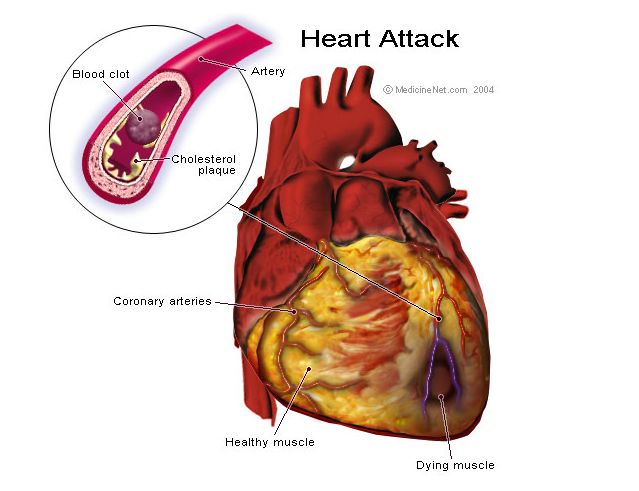
Breakfast can help prevent strokes, heart attack and sudden death. Advice on not to skip breakfast! Healthy living. For those who always skip breakfast, you should stop that habit now! You've heard many times that "Breakfast is the most important meal of the day. Now, recent research confirms that one of the worst practices you can develop may be avoiding breakfast. Why?


 Because the frequency of heart attack, sudden death, and stroke peaks between 6: 00a.m. and noon, with the highest incidence being between 8: 00a.m. and 10:00a.m.What mechanism within the body could account for this significant jump in sudden death in the early morning hours? We may have an Answer. Platelet, tiny elements in the blood that keep us from bleeding to Death if we get a cut, can clump together inside our arteries due to Cholesterol or plaque buildup in the artery lining. It is in the morning hours that platelets become the most activated and tend to form these internal blood clots at the greatest frequency.
However, eating even a very light breakfast prevents the morning platelet activation that is associated with heart attacks and strokes. Studies performed at Memorial University in St.Johns,   Newfoundland found that eating a light, very low-fat breakfast was critical in modifying the morning platelet activation. Subjects in the study consumed either low-fat or fat-free yogurt, orange juice, fruit, and a source of protein coming from yogurt or fat-free milk. So if you skip breakfast, it's important that you change this practice immediately in light of this research. Develop a simple plan to eat cereal, such as oatmeal or Bran Flakes, along with six ounces of grape juice or orange juice, and perhaps a piece of fruit. This simple plan will keep your platelets from sticking together, keep blood clots from forming, and perhaps head off a potential Heart Attack or stroke. So never ever skip breakfast
Related Posts Plugin for WordPress, Blogger...

Chitika

My Blog List